
Education
The feminine urge to apologize
It is almost as if “sorry” is the default response for women. They apologize for having emotions and showing them, for asking a valid question and for walking in the same direction as someone in the store; they apologize for their failures and their successes. In every situation women automatically respond with an unnecessary “sorry.”…
Read MoreUnlocking the dopamine code: A blueprint for college student well-being
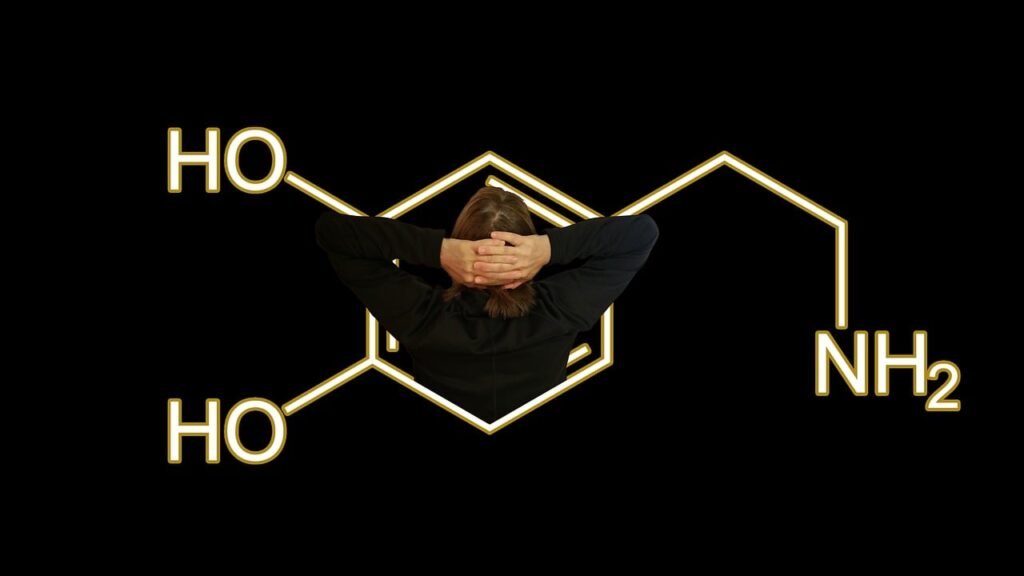
As college students navigating the complexities of academia, we often find ourselves contending with formidable adversaries: seasonal depression, lack of motivation and high levels of stress. According to the National College Health Assessment, approximately 80% of college students report experiencing overwhelming levels of anxiety, and nearly 40% grapple with symptoms of depression at some point during…
Read MoreHow do I avoid the perfectionism trap?
Dear Dr. Saline, I recently started my first full-time job after graduating from college and feel like I’m struggling with the adjustment. I’ve had the usual ups and downs in school which come with ADHD. But now that I’m working, my tendency toward perfectionism has become overwhelming. Worst of all, I don’t think my work…
Read MorePlay Can Save Us

The numbing ubiquity of human despair and political idiocy is enough to get a guy down. I spend far too much of my retired life with the New York Times on my lap. My privilege requires that I pay attention, despite knowing that I can’t do a damn thing about most of it. But there…
Read MoreGrowth Over Grades: Top Ten Takeaways from Wharton Guru Adam Grant

The central question keeping me up at night as an educator is this: How can we maximize every student’s potential? This question emphatically isn’t about making sure a student becomes “the best” at anything in particular, but rather about ensuring all students become their best selves. In his new book Hidden Potential: The Science of Achieving Greater…
Read MoreSchools should teach media literacy

It has never been easier to spread misinformation, either deliberately or by accident, than it is right now. The digital age has amplified a diverse set of voices on social media, for better or worse. While many users are well-intentioned and act as online educators, they have the capacity to spread fake news, which can…
Read MoreFinding Our Own Answers: A Case Study

On November 28, I attended a truly excellent webinar conversation with Dr. Mary Helen Immordino-Yang, hosted by Intrepid Ed News and OESIS. Once again, I was struck by the response of so many teachers and administrators who, when presented with new insights into how people learn (insights that challenge the status quo), want very specific…
Read MoreDemocracy in Peril
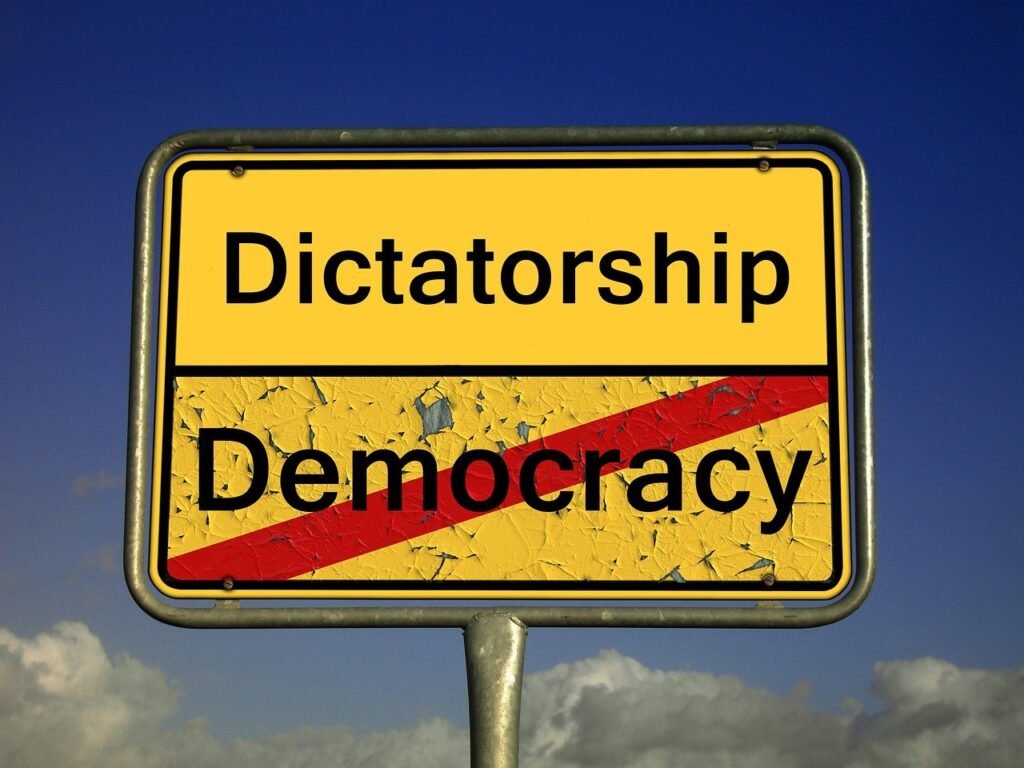
New York Times columnist Jamelle Bouie wrote this week about the threats to our democratic republic: Democracy, remember, is not just a set of rules and institutions. It is, as the philosopher John Dewey argued throughout his life, a set of habits and dispositions that must be cultivated and practiced if they are to…
Read MoreOvercoming Negativity Bias with Students, Parents, and Colleagues
[Editor’s note: Our archives contain several years of excellent articles, most of which remain relevant and important to today’s young people and the adults who work with them. This one is a “Director’s Choice” that we are reposting this week.] At the end of a week, why do we focus on one difficult…
Read MoreGive Children Real Life
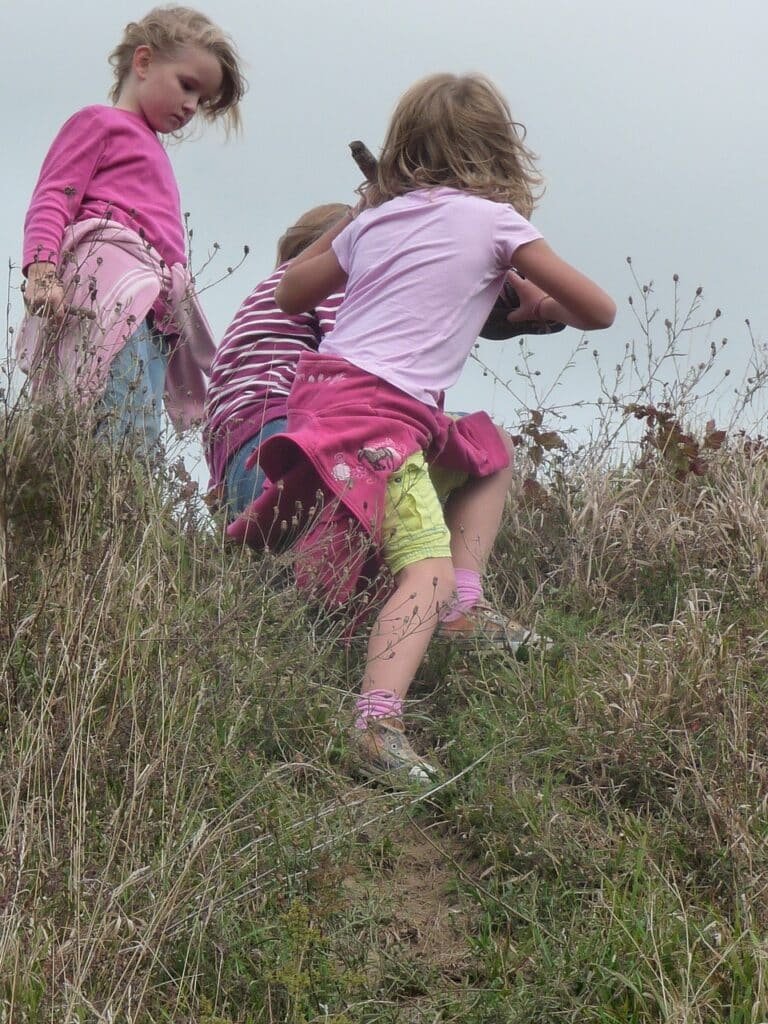
“This car climbed Mt. Washington.” This bumper sticker is commonly seen in New England and refers to the highest peak in the East. As implied, there is a winding road to the summit. These bumper stickers never fail to irritate, as the “achievement” is remarkably unremarkable. It’s rather like having a CD player with a…
Read More